

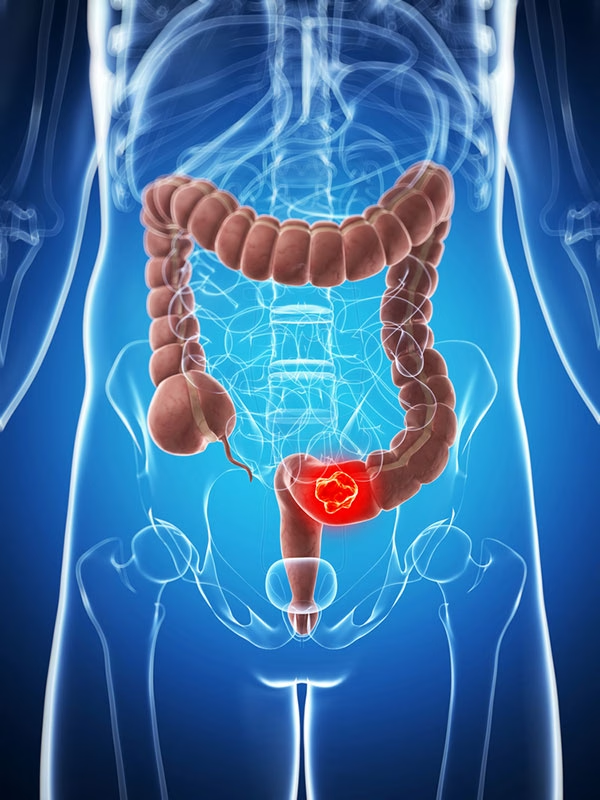
Colon Cancer Screening in Los Angeles, CA
Colorectal cancer is one of the most preventable cancers when screening is done on time. At LA Integrative Gastroenterology & Nutrition, we help patients understand their screening options, from colonoscopy, the gold standard for detection and prevention, to stool-based tests such as Cologuard and FIT, and recommend the right approach based on age, family history, and personal risk.
Request an AppointmentColonoscopy: The Preferred Screening Test
Colonoscopy is the gold standard for colorectal cancer (CRC) screening because it is the only one-step test that can both detect and prevent cancer by removing precancerous polyps during the same procedure. Based on the most recent guidelines from the American College of Gastroenterology, the U.S. Preventive Services Task Force, and international consensus:
- Average-risk, symptom-free adults: begin at age 45 and continue through age 75. Repeat every 10 years after a normal exam.
- High risk due to family history: for a first-degree relative with CRC or an advanced adenoma, begin at age 40 or 10 years before the earliest diagnosis in the family, whichever comes first, and repeat every 5 years.
- Personal history of adenoma or CRC: follow a surveillance schedule after polyp removal or surgery.
- Inflammatory bowel disease: for ulcerative colitis or Crohn’s colitis, begin surveillance 8 to 10 years after symptoms start and repeat every 1 to 3 years.
- Over age 75: screening is not routinely recommended for average-risk adults over 75 or those with a life expectancy of less than 10 years, and decisions are individualized.
Cologuard (Multitarget Stool DNA Test)
Cologuard is an FDA-approved, non-invasive stool test for average-risk adults ages 45 to 75 who have no symptoms and no personal or strong family history of colorectal cancer or advanced adenomas.
- How it works: detects hidden blood and DNA changes associated with colorectal cancer and advanced adenomas
- Interval: every 1 to 3 years, per USPSTF and AAFP guidance
- If positive: a follow-up diagnostic colonoscopy is required
- Not recommended for: people with a personal history of CRC or advanced adenoma, inflammatory bowel disease, or a strong family history
Comparing Stool-Based Screening Tests
All stool-based tests are intended for average-risk adults ages 45 to 75, and any positive result must be followed by colonoscopy.
- FIT (fecal immunochemical test): performed annually; moderate sensitivity for colorectal cancer
- gFOBT (guaiac fecal occult blood test): performed annually; moderate sensitivity
- Cologuard (mt-sDNA): performed every 1 to 3 years; higher sensitivity than FIT
Cologuard and other stool tests are valid alternatives for patients who decline or cannot undergo colonoscopy, but colonoscopy remains the preferred method because of its diagnostic and therapeutic capabilities.
Choosing the Right Screening for You
Our physicians will review your age, family history, symptoms, and personal preferences to recommend the best screening approach. Symptoms such as rectal bleeding, a change in bowel habits, or iron deficiency anemia require diagnostic evaluation rather than routine screening. Learn more about colon cancer, and ask about complementary options such as the Galleri multi-cancer early detection test. Explore all of our cancer screening services.
Sources
- Colorectal Cancer Screening Guidelines for Average-Risk and High-Risk Individuals: A Systematic Review
- Systematic Review of Colorectal Cancer Screening Guidelines for Average-Risk Adults
- Colon Cancer — Choice of Screening Tests
- Colorectal Cancer Screening: Updated Guidelines From the American College of Gastroenterology
- Screening Options and Recommendations for Colorectal Cancer
- Colorectal Cancer Screening – Merck Manual Professional Edition
- Optimal Strategies for Colorectal Cancer Screening
- Screening for Colorectal Cancer
- Multitarget Stool DNA Testing (Cologuard) for Colorectal Cancer Screening
Colon Cancer Screening FAQs
When should I start colon cancer screening?
Average-risk adults should start at 45. Those with a first-degree relative with colorectal cancer or an advanced adenoma usually start at 40, or 10 years before the relative’s diagnosis.
Which screening test is best?
Colonoscopy is preferred because it can find and remove polyps in one step. Stool-based tests are valid alternatives for average-risk adults who decline or cannot have a colonoscopy.
How often is Cologuard repeated?
Cologuard is generally repeated every 1 to 3 years for average-risk adults with negative results.
What happens if my stool test is positive?
A positive FIT, gFOBT, or Cologuard result requires a follow-up diagnostic colonoscopy.
Can I use a stool test if I have a family history?
No. Stool tests are intended for average-risk adults. People with a strong family history should have colonoscopy.
Do people with colitis need special screening?
Yes. Patients with ulcerative colitis or Crohn’s colitis need surveillance colonoscopy every 1 to 3 years beginning 8 to 10 years after symptoms start.
Schedule Your Colon Cancer Screening in Los Angeles, CA
Are you due for colon cancer screening? Call LA Integrative Gastroenterology & Nutrition at (310) 289-8000 to discuss your options and schedule your screening.