

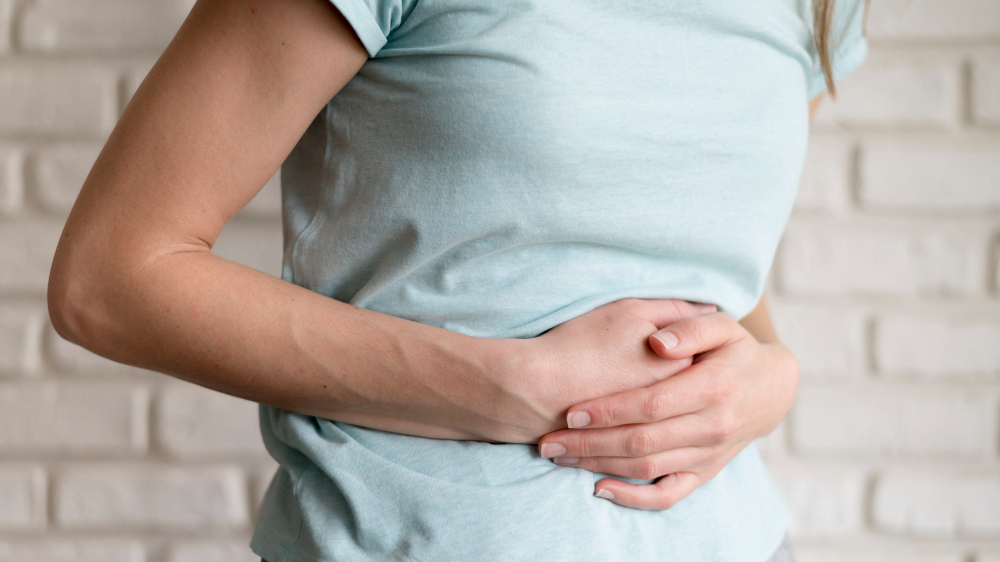
Abdominal Bloating & Excess Gas Treatment in Los Angeles, CA
Abdominal bloating and excess gas can be uncomfortable, embarrassing, and disruptive to everyday life. For some people the cause is an overgrowth of intestinal bacteria, while for others it may be diet, food sensitivities, yeast overgrowth, parasites, enzyme deficiencies, or malabsorption. At LA Integrative Gastroenterology & Nutrition, our physicians perform a comprehensive assessment to identify exactly what is causing your bloating and gas, then create a personalized plan to bring lasting relief.
Request an AppointmentUnderstanding Abdominal Bloating
Abdominal bloating is the sensation of fullness, pressure, or tightness in the belly, often with visible swelling. It may come and go after meals or build steadily throughout the day. While occasional bloating is normal, frequent or persistent bloating is a sign that something in your digestive process is out of balance. Common contributors include:
- Swallowing excess air from eating quickly, chewing gum, or carbonated drinks
- Large meals, rapid eating, and inadequate chewing
- Food sensitivities and intolerances such as lactose or fructose
- Dysbiosis, an imbalance of bacteria in the gut
- SIBO (small intestinal bacterial overgrowth)
- Yeast or candida overgrowth and parasitic infections
- Constipation and slow intestinal motility
- GERD and low stomach acid (hypochlorhydria)
- Irritable bowel syndrome (IBS) and insufficient digestive enzymes
- Prior abdominal surgery and malabsorption
What Causes Excess or Painful Gas?
Most people pass gas 10 to 20 times a day as a normal result of digestion. Gas comes mainly from swallowed air and from bacteria fermenting undigested food in the large intestine. Odor typically comes from small amounts of sulfur-containing gases. When bacteria overgrow in the small intestine, as happens with SIBO, fermentation occurs earlier in the digestive tract and gas can become much more frequent, painful, and bloating. Foods that commonly increase gas include beans and lentils, cruciferous vegetables such as broccoli, cauliflower, Brussels sprouts, and cabbage, onions, garlic, mushrooms, asparagus, certain fruits such as apples, pears, and peaches, whole grains, dairy, and sugar alcohols found in sugar-free products.
Diagnosing the Root Cause of Bloating and Gas
Because so many factors can cause the same symptoms, an accurate diagnosis is essential. Many patients with SIBO are unaware they have it, which is why symptoms persist despite diet changes and over-the-counter remedies. At LA Integrative Gastroenterology & Nutrition, your evaluation may include:
- Intestinal breath testing to measure hydrogen and methane gases and identify SIBO or carbohydrate malabsorption
- Assessment of stomach acid and digestive enzyme function
- Advanced stool testing to evaluate the microbiome, yeast, and parasites
- Upper endoscopy, colonoscopy, or capsule endoscopy when structural causes need to be ruled out
Correctly performing and interpreting breath tests takes skill and experience, and our physicians have extensive expertise in both. Patients can also order SIBO breath test kits for home use.
Personalized Treatment for Lasting Relief
Once the cause is identified, your doctor builds a plan to resolve it rather than simply masking symptoms. Depending on your results, treatment may include targeted antimicrobial therapy for SIBO or infections, a personalized digestive disorder diet or the elemental diet, digestive enzyme or stomach acid support, motility support, and professional-grade nutraceutical supplements. Our functional medicine approach also addresses stress, sleep, and eating habits that affect digestion.
Abdominal Bloating & Excess Gas FAQs
When should I see a doctor about gas and bloating?
See a doctor if bloating or gas is frequent, uncomfortable, or affecting your daily life, or if it appears suddenly and severely. Seek prompt care if bloating comes with weight loss, blood in the stool, vomiting, fever, or severe pain, as these can signal a more serious condition.
Can SIBO cause bloating?
Yes. SIBO is one of the most common causes of chronic bloating and gas, especially bloating that worsens after meals. A breath test can help confirm the diagnosis.
Why does a high-fiber diet make me gassy?
Fiber is fermented by gut bacteria, which produces gas. Many people adjust within a few weeks, but persistent symptoms may point to SIBO, dysbiosis, or a food intolerance that should be evaluated.
Is my bloating caused by lactose intolerance?
It may be. A trial of removing dairy can be informative, and your doctor can recommend testing when needed. Lactose is only one of many possible triggers, so a full evaluation is often the best approach.
What foods tend to cause the most gas?
Beans, lentils, cruciferous vegetables, onions, garlic, certain fruits, whole grains, dairy, and sugar-free products with sugar alcohols are common culprits. Your doctor can help identify your personal triggers.
Can stress make bloating worse?
Yes. Stress affects gut motility, sensitivity, and the microbiome, which can make bloating and gas worse. Addressing stress is part of our whole-person treatment plans.
How is bloating treated at your practice?
Treatment is based on the cause and may include targeted antimicrobials, therapeutic diets, enzyme or acid support, supplements, and lifestyle changes coordinated through our nutritional services.
Find Relief From Bloating and Gas in Los Angeles, CA
You do not have to keep living with bloating and gas. Call LA Integrative Gastroenterology & Nutrition at (310) 289-8000 to schedule a comprehensive evaluation, or continue reading about abdominal pain.