

How Does Food Sensitivity Testing Work?

Food sensitivity testing has become a common tool for identifying dietary triggers behind chronic symptoms, yet many people remain unclear on what the process actually involves.
Key Takeaways
- Unlike food allergies, which can cause rapid reactions such as swelling and difficulty breathing, food sensitivities can take hours or even days to appear.
- Food sensitivity testing is used to identify specific foods that may be contributing to chronic symptoms such as digestive discomfort, fatigue, and headaches.
- Most food sensitivity tests are blood-based and can include from a dozen to over one hundred common foods.
- The results are reviewed alongside the patient’s symptoms, medical history, and diet to determine which findings are clinically relevant.
- LA Integrative Gastroenterology & Nutrition helps identify trigger foods. They are then removed from the diet for a set period and then gradually reintroduced to confirm whether there’s a link between the particular food and the symptoms.
Food sensitivity testing is a diagnostic approach used to identify specific foods that may be contributing to a range of chronic symptoms, from digestive discomfort to fatigue and headaches. Unlike food allergies, which trigger an immediate and sometimes severe immune reaction, food sensitivities tend to develop more subtly and can take hours or even days to appear, making them harder to trace without structured testing.
Understanding the Difference Between Allergy and Sensitivity
Before exploring how testing works, it helps to understand what it is actually measuring. A true food allergy involves the immune system producing IgE antibodies, which can cause rapid and sometimes dangerous reactions such as hives, swelling, or difficulty breathing.

Food sensitivities, by contrast, are generally associated with a slower, delayed immune response and do not carry the same risk of a severe allergic reaction. Because the two conditions involve different biological processes, they are typically evaluated using different types of tests, and a positive result on one does not necessarily indicate the other.
The Blood Testing Process
Most food sensitivity tests rely on a blood sample, which can be collected through a standard blood draw or, in some cases, a finger prick. The sample is then analyzed in a laboratory to measure the presence of specific antibodies associated with delayed immune responses to particular foods.
Expert clinicians from Los Angeles Integrative Gastroenterology & Nutrition, Beverly Hills, explain that panels can vary widely, testing anywhere from a few dozen to over one hundred common foods, including dairy, gluten, eggs, and various fruits, vegetables, and grains. The results typically indicate a degree of reactivity to each food tested, which can range from mild to significant.
Interpreting the Results
A food sensitivity test does not produce a simple positive or negative result the way many allergy tests do. Instead, it generates a spectrum of reactivity levels across the foods tested. This is where clinical interpretation becomes especially important, since elevated antibody levels alone do not always translate directly into meaningful symptoms for every patient.
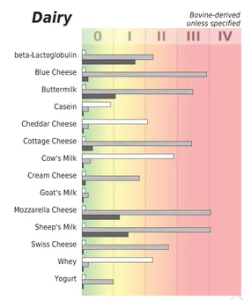
A physician or qualified practitioner typically reviews the results alongside a patient’s reported symptoms, medical history, and dietary habits to determine which findings are clinically relevant and which may not warrant dietary changes.
Building an Elimination Plan
Once results are interpreted, the next step often involves developing a structured elimination plan. This generally means removing the identified trigger foods from the diet for a set period, often several weeks, and then gradually reintroducing them one at a time while monitoring for symptom changes. This process helps confirm whether a particular food is genuinely linked to a patient’s symptoms or whether other factors may be involved. Because this reintroduction phase requires careful tracking, it is usually most effective when guided by a healthcare provider rather than attempted independently.
Limitations Worth Understanding
Food sensitivity testing is a useful diagnostic tool, though results are most meaningful when interpreted within a broader clinical context rather than viewed in isolation. Antibody levels can vary from person to person, and the same result may carry different significance depending on an individual’s symptoms, health history, and lifestyle. This is why testing works best as one part of a larger evaluation process, guided by a healthcare provider who can help determine which results are clinically relevant to a specific patient. Approached this way, the test becomes a starting point for a more personalized plan rather than a definitive answer on its own.
Why the Process Matters More Than the Panel Size
A larger testing panel is not necessarily a better one. What matters more is how the results are interpreted and applied to an individual’s actual health picture. A test that screens for two hundred foods provides little value if the findings are not carefully weighed against a patient’s symptoms, lifestyle, and medical background. The real value of food sensitivity testing lies less in the breadth of what is measured and more in the quality of the clinical process that follows, from result interpretation through elimination and reintroduction.