


If you’ve been diagnosed with IBS but still struggle with relentless bloating and unpredictable bathroom habits, there’s a surprising chance you’re dealing with something else entirely—and a simple breath test could finally reveal what’s really going on.
Key Takeaways
- A 2020 meta-analysis found that 31% of IBS patients also have SIBO — yet most are never tested for it, meaning the root cause of their symptoms goes untreated.
- The hallmark symptoms — extreme bloating, unpredictable bowel habits, and abdominal cramping — closely mimic other digestive conditions, making accurate diagnosis critical.
- Breath testing is the most widely used non-invasive diagnostic tool for SIBO, measuring hydrogen and methane gas levels to confirm overgrowth and identify bacterial type.
- Without addressing the underlying causes of SIBO, 40-60% of patients relapse within a year — a pattern explored in detail later in this post.
- Los Angeles Integrative Gastroenterology & Nutrition Inc. takes an integrative approach to SIBO diagnosis and treatment, combining conventional and botanical therapies with dietary and motility support.
Persistent bloating. A stomach that never fully settles. Bathroom habits that seem completely random. For millions of Americans, these symptoms are a daily reality — and for a significant number of them, the real culprit is Small Intestinal Bacterial Overgrowth, or SIBO. Understanding what SIBO actually looks like, how it is diagnosed, and why it keeps coming back is the first step toward getting real, lasting relief.
31% of IBS Patients Have SIBO — and Most Don’t Know It
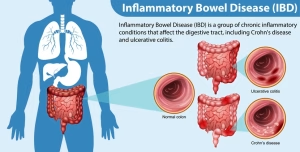 Irritable Bowel Syndrome is one of the most common digestive diagnoses in the United States, yet research suggests a large portion of IBS cases may actually involve an underlying bacterial imbalance that goes undetected. A 2020 meta-analysis of 25 studies found that SIBO is present in approximately 31% of IBS patients — significantly higher than in healthy control populations. Some studies using Rome IV diagnostic criteria have reported rates as high as 51.7%.
What makes this particularly striking is that standard IBS management — focused on diet and symptom control — does not treat bacterial overgrowth directly. Patients continue cycling through flares without resolution, never knowing that bacteria colonizing the small intestine may be driving the problem. Research also shows SIBO is more prevalent in diarrhea-predominant IBS (IBS-D) compared to constipation-predominant or mixed subtypes, which helps explain why certain IBS patients respond so poorly to conventional treatment.
For anyone in Los Angeles dealing with chronic digestive symptoms that have not fully responded to standard care, the detailed breakdown of SIBO symptoms, diagnosis, and what LA gastroenterologists recommend offers a useful starting point for understanding what might actually be going on. The overlap between SIBO and IBS is not a coincidence — it is a clinical pattern worth taking seriously.
SIBO Symptoms That Disrupt Daily Life
SIBO does not announce itself with an obvious, isolated symptom. Instead, it creates a cluster of digestive complaints that are easy to confuse with IBS, food intolerance, or general gut sensitivity. Recognizing the specific ways SIBO presents is key to pursuing the right diagnosis.
Extreme Bloating After Eating

Bloating is the most widely reported — and arguably most disruptive — symptom of SIBO. It is not the mild fullness that follows a large meal. Patients describe it as visible abdominal distension, sometimes appearing within minutes of eating and progressively worsening throughout the day. The mechanism is straightforward: bacteria in the small intestine ferment undigested carbohydrates, particularly those from high-carb or high-fiber meals, producing hydrogen and methane gases that have nowhere to go quickly.
The result is a stomach that can look and feel drastically different by evening compared to the morning. Many patients report avoiding fitted clothing, skipping social meals, or cutting out entire food groups in an attempt to manage the swelling — often without sustained success. This is because the bacteria themselves have not been addressed, only the foods feeding them.
Diarrhea, Constipation, or Both
Altered bowel habits are another hallmark of SIBO, and they do not follow a single predictable pattern. Some patients experience chronic loose stools or urgent diarrhea; others deal with stubborn constipation; many cycle between both unpredictably. The type of bacterial overgrowth drives the pattern. Hydrogen-producing bacteria are more commonly associated with diarrhea-predominant symptoms, while methane-producing organisms tend to cause constipation by slowing intestinal transit.
This dual presentation — where a patient might have diarrhea one week and constipation the next — is one of the reasons SIBO is so frequently mistaken for IBS or other functional gut disorders. The irregularity makes meal planning, travel, and everyday routines genuinely difficult, and it reinforces how important it is to identify the bacterial driver behind the symptom, not just manage the symptom in isolation.
Abdominal Pain and Cramping
Pain associated with SIBO has some distinguishing features that set it apart from generalized stomach discomfort. It often occurs in waves, correlating with bacterial fermentation cycles following meals. The cramping tends to concentrate around the central abdomen — the area of the small intestine — though it can radiate more broadly. Meals containing fermentable carbohydrates frequently trigger or intensify the pain.
One notable pattern: the pain often provides temporary relief after a bowel movement or passing gas, which reflects the pressure buildup caused by gas accumulation in the gut. This detail is clinically significant — it can help healthcare providers distinguish SIBO-related pain from other sources of abdominal discomfort, and it is a detail worth sharing during any diagnostic consultation.
Complications When SIBO Goes Untreated
Dismissing SIBO symptoms as just IBS or a sensitive stomach becomes increasingly costly over time. When bacterial overgrowth goes unaddressed, the consequences extend well beyond digestive discomfort.
Nutrient Deficiencies and Weight Loss
The small intestine is where most nutrient absorption takes place. When bacteria overpopulate that space, they interfere directly with that process — competing for nutrients and damaging the intestinal lining that facilitates absorption. Over time, this leads to deficiencies in vitamin B12, iron, and fat-soluble vitamins (A, D, E, and K).
These are not minor gaps. Vitamin B12 deficiency leads to fatigue, neurological symptoms, and anemia. Vitamin D deficiency — a known risk factor for osteoporosis — can result from impaired fat-soluble vitamin absorption, raising long-term concerns about bone health. Iron deficiency compounds fatigue and cognitive fog. Some patients also experience unintentional weight loss and broader malnutrition — not from eating less, but from absorbing less. These downstream effects underscore why treating SIBO as a minor gut issue carries real long-term risk.
Leaky Gut and Systemic Inflammation
Beyond nutrient absorption, prolonged bacterial overgrowth can compromise the integrity of the intestinal lining itself. This increased intestinal permeability — commonly called leaky gut — allows bacterial byproducts, undigested food particles, and toxins to pass into the bloodstream. The immune system responds to these foreign invaders with inflammation, but when the exposure is chronic, so is the inflammatory response.
Systemic inflammation of this kind has been linked to fatigue, brain fog, joint discomfort, and skin issues — symptoms that may seem entirely unrelated to digestion but trace back to gut dysfunction. For patients experiencing these kinds of wide-ranging complaints alongside digestive symptoms, untreated SIBO is a credible contributing factor worth investigating.
Testing Options to Diagnose SIBO
Successful SIBO treatment requires a multifaceted approach that combines conventional medical therapies with integrative strategies targeting underlying causes. This methodology achieves better long-term outcomes than single-modality treatments.
Intestinal Breath Test for Direct SIBO Detection

The Intestinal breath test is the most widely used and preferred non-invasive method for diagnosing SIBO in clinical practice. The test works by detecting gases produced during bacterial fermentation — gases that, in a healthy gut, would not appear in significant quantities in the small intestine. After an overnight fast, patients drink a sugar solution and then provide breath samples at regular intervals over two to three hours. Labs analyze those samples for elevated hydrogen and methane levels.
Hydrogen vs. Methane: What the Results Mean
The two gases measured — hydrogen and methane — each point to different types of bacterial activity, and they carry different clinical implications. Elevated hydrogen levels indicate the presence of hydrogen-producing bacteria and are more commonly associated with diarrhea-predominant symptoms. Methane elevation points to methane-producing organisms, which slow gut transit and are more frequently linked to constipation-predominant SIBO.
Some patients show elevations in both gases, suggesting a mixed bacterial population. This distinction is not just academic — it directly informs treatment decisions. A hydrogen-predominant result typically calls for rifaximin, while methane-predominant SIBO often requires a combination of rifaximin and neomycin. Getting the gas profile right upfront leads to more targeted, effective treatment from the start.
Glucose vs. Lactulose: Choosing the Right Test
Two substrates are commonly used in SIBO breath testing: glucose and lactulose. The choice between them affects what part of the small intestine can be assessed. Glucose is absorbed quickly in the upper (proximal) small intestine, making it particularly useful — and specific — for detecting overgrowth in that region. Lactulose travels further down the digestive tract before being fermented, which makes it more effective at identifying distal small bowel overgrowth.
Each substrate has tradeoffs. Glucose testing tends to have higher specificity but may miss overgrowth further along the small intestine. Lactulose covers more ground but can produce false positives when it reaches the colon. Choosing the right test depends on the patient’s symptom pattern and clinical history — which is why this decision is best made with a gastroenterologist experienced in interpreting breath test results in full clinical context.
Heidelberg pH Test Identifies Root Causes
The Heidelberg pH test evaluates stomach acid production, identifying hypochlorhydria (low stomach acid) as a potential SIBO contributing factor. This test involves swallowing a pH-sensitive capsule that transmits real-time stomach acidity measurements. Low stomach acid fails to sterilize incoming food and creates an environment where bacteria can survive passage into the small intestine. The Heidelberg test reveals whether acid replacement therapy should accompany SIBO treatment to address underlying causes.
Integrative SIBO Treatment Options
Treating SIBO effectively means going beyond a single course of antibiotics. The most durable outcomes come from combining bacterial eradication with strategies that address the gut environment allowing overgrowth to develop. A layered, integrative approach — tailored to the individual — consistently produces better long-term results than any one treatment alone.
Antibiotics and Botanical Antimicrobials
Rifaximin is the most widely used antibiotic for SIBO, valued for its targeted action in the gut and minimal systemic absorption. For hydrogen-predominant overgrowth, rifaximin is typically used as a standalone treatment over one to two weeks. For methane-predominant SIBO, it is often combined with neomycin to address both bacterial and archaeal populations more effectively.
Botanical antimicrobials offer a compelling alternative — or complement — to pharmaceutical antibiotics. Berberine, oregano oil (which contains carvacrol and thymol), allicin from garlic, and neem extract all demonstrate measurable antimicrobial activity against a broad range of gut bacteria, often with fewer disruptions to beneficial gut flora. Some integrative practitioners use herbal protocols as a primary treatment or rotate them with antibiotics to reduce resistance risk and support overall microbiome diversity.
Low-FODMAP Diet for Symptom Relief
During active SIBO treatment, a low-FODMAP diet reduces fermentable carbohydrates that bacteria in the small intestine use as fuel — limiting gas production and symptom severity while antimicrobials do their work. FODMAPs include certain fruits, vegetables, legumes, grains, and dairy products containing readily fermentable sugars. Restricting them does not eliminate the bacteria, but it starves them, significantly reducing the bloating, gas, and cramping that make daily life difficult.
The low-FODMAP diet is a temporary management tool, not a cure. Staying on it long-term can reduce dietary diversity and affect the broader gut microbiome. The goal is to use it strategically — during treatment — and then gradually reintroduce foods as the bacterial overgrowth resolves. Meal timing also plays a supporting role: spacing meals regularly helps activate the migrating motor complex, the gut’s natural sweeping mechanism that moves bacteria from the small intestine to the colon between meals.
Motility Support to Prevent Recurrence
Impaired gut motility is one of the most common underlying causes of SIBO — and one of the most overlooked. When the small intestine does not contract and move contents efficiently, bacteria have more time to accumulate and proliferate. Restoring healthy motility is a key part of preventing relapse after treatment.
Natural prokinetics like ginger support gastric emptying and small bowel motility without significant side effects. For patients with more significant motility dysfunction — such as those with diabetes, thyroid disorders, or post-surgical changes — pharmaceutical prokinetics like low-dose naltrexone may be appropriate. Lifestyle factors also matter: stress management, consistent meal timing, and adequate hydration all support the neuromuscular function that keeps the gut moving properly.
Why SIBO Returns in 40-60% of Cases
One of the most frustrating realities of SIBO is how often it comes back. Studies consistently show that 40-60% of patients relapse within 9-12 months after initial antibiotic treatment — not because the treatment failed outright, but because the conditions that allowed the overgrowth to develop in the first place were never addressed.
The most common culprits behind recurrence include impaired gut motility, low stomach acid (hypochlorhydria), structural abnormalities like intestinal strictures or post-surgical adhesions, and immune dysfunction. Stomach acid acts as a critical first-line defense, sterilizing ingested material before it reaches the small intestine. When acid production is insufficient, bacteria survive the journey into the small bowel more easily. Motility disorders — whether from diabetes, thyroid dysfunction, or autonomic nervous system dysfunction — create stagnant zones where bacteria can repopulate quickly.
Effective SIBO management is not just about eradicating bacteria once. It is about identifying why those bacteria were there and correcting the underlying dysfunction that made the small intestine hospitable to overgrowth. That might mean testing stomach acid levels, addressing a thyroid issue, or maintaining long-term motility support. Without that investigative layer, SIBO becomes a revolving door.
LA Integrative GI Offers Expert SIBO Diagnosis and Lasting Relief
For people in Los Angeles dealing with persistent bloating, unpredictable digestion, and the exhausting cycle of symptoms that never fully resolve, SIBO is a diagnosis that deserves serious consideration — and a thorough diagnostic workup. Breath testing can confirm overgrowth and identify the bacterial type; targeted treatment can clear it; and addressing the root cause can finally break the recurrence cycle.
What distinguishes effective SIBO care from basic symptom management is the depth of the diagnostic approach. Identifying not just whether SIBO is present, but why it developed and what type of overgrowth is driving symptoms, makes the difference between short-term relief and lasting resolution. The integrative model — combining conventional antibiotics or botanical antimicrobials with dietary support, motility therapy, and root-cause investigation — offers the most thorough path forward for patients who have spent years managing symptoms without getting to the source.
Los Angeles Integrative Gastroenterology & Nutrition Inc. brings this full-spectrum approach to SIBO care, using advanced diagnostics and individualized treatment protocols to help patients in the LA area move past chronic digestive dysfunction and toward genuine, sustained gut health. To connect with their team of specialists, visit Los Angeles Integrative Gastroenterology & Nutrition Inc.